Why norway is ideal for sea fishing
Fishing trip Norway – A typical fishing holiday along the Norwegian coast offers three things in one place: varied species, stable fish stocks and plenty of space on the water. The coastline is long and broken up by fjords, skerries and sheltered bays, so anglers can usually find a good spot even on days with some wind.
In regions like Trøndelag and Møre og Romsdal, visitors often stay in coastal villages with a short boat ride to open sea. Areas like Aure municipality are known for rich marine life and unspoiled landscapes. The surrounding archipelago acts like a natural playground for both new and experienced anglers.
Common species in these waters include:
– cod, coalfish (saithe) and haddock
– halibut, wolffish and ling
– flounder, plaice and other flatfish
– mackerel and sea trout in season
Some visitors focus on a personal record cod or halibut, while others enjoy species hunting and aim to catch as many different fish as possible. Because of the mix of shallow reefs, drop-offs and deep channels, both styles work well in the same area. One day may be spent jigging over a reef for cod and coalfish. The next day can focus on drifting over sand and mud for flatfish.
Saltwater fishing in Norway is free for everyone, including foreign visitors. No license is needed when fishing in the sea from boat or from shore. Freshwater fishing is different. Rivers and lakes require a valid permit, often sold online, in local shops or through dedicated apps.
Anglers who want to stay within the rules use the national app Fritidsfiske (Recreational fishing). It explains:
– minimum sizes for common species
– how many kilos of fish you may bring out of the country
– which areas or species are protected
With these tools, guests can focus on the fun part of fishing and still follow Norwegian regulations.

Planning a practical and safe sea fishing adventure
A smooth fishing holiday in Norway depends on good logistics. Many visitors choose coastal campsites or cabin resorts that offer accommodation, boats and fish handling in one place. This saves time and makes each day on the water more relaxed.
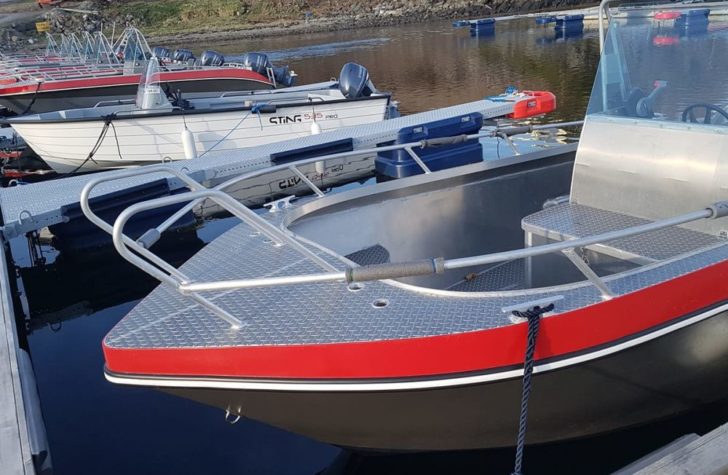
Boat rental is central to many trips. A typical setup includes:
– sturdy aluminium boats from 15 to 21 feet
– Yamaha outboard engines from 40 to 100 horsepower
– GPS, chart plotter and echo sounder on board
– rod holders and basic safety gear like life jackets
The boat usually comes with full fuel tanks at the start of the rental period. Guests refill the tanks at a local fuel station or at the marina before handing the boat back. A credit card deposit is common practice and covers potential damage or loss of equipment.
To rent and drive a boat, visitors should be prepared for some simple requirements:
– a valid passport or ID
– the skipper must speak English or Norwegian
– a boatmaster’s license for anyone born after 1980
– experience and basic knowledge of boating rules for older skippers
At sea, safety comes first. Local hosts often remind guests to check the weather forecast, stay sober, wear a life jacket and respect wind and waves. Sheltered skerries and fjords provide options on breezy days, but offshore runs should always match the group’s skills and the day’s conditions.
Once the fish is onboard, practical facilities make a big difference. Many coastal resorts have:
– a dedicated filleting house on the pier
– stainless steel benches with water and good lighting
– large freezers where guests can store their catch
Filling labeled boxes with fillets and freezing them during the stay is common. Guests then pack the frozen fish into coolers for transport home, as long as they stay under the legal export limit and keep receipts from the registered fishing facility they stayed at.
Choosing the right place for a fishing trip in norway
When planning a sea fishing holiday in Norway, anglers often ask the same questions: How far is it from accommodation to the marina? How long does it take to reach good fishing grounds? Are there protected spots for windy days? The best destinations tend to score well on all three.
A good fishing base usually offers:
– cabins or apartments close to the sea
– a private marina a short walk from where you sleep
– a mix of shallow and deep fishing spots within a short boat ride
– clear local advice about weather, tides and safe routes
In parts of western and mid-Norway, the coastline is full of islands and narrow channels. This gives a network of natural shelters where guests can fish even when open sea feels rough. At the same time, deeper areas with stronger currents are never far away, which attracts bigger predators like halibut, large coalfish and mature cod.
For those who want a well-organised base with access to rich fishing grounds, Nothaugen is often mentioned. The site lies right by the sea in Aure municipality, surrounded by an island-studded coastline. Guests stay in cabins or on the campsite, walk a short distance to the marina and head out in rental boats equipped for angling. On return, they use the filleting house and freezers to process and store the day’s catch.
Anglers from across Europe travel to this part of Norway year after year. Many describe the appeal as a mix of simple comfort and wild surroundings: the sound of waves and seabirds, the sight of distant mountains, and a heavy cod thumping on the deck. For visitors who want that combination on their next fishing holiday, looking closer at nothaugen.no can be a useful next step.